It’s a new year. Budgets are back on the table. So are the familiar promises from vendors who swear this product will finally fix everything.
It won’t. At least, you can’t know that in advance.
You never get perfect information. No amount of demos, references, or spreadsheets can tell you exactly how a tool will land with your team, in your space, with all the small, unspoken realities that make your workplace yours.
All you can do is look for better signals and some are more useful than others.
External recognition from industry organizations won't guarantee a product works for you, but it does tell you something.
It tells you that people who've seen hundreds of alternatives thought this one was worth attention. That's not nothing.
What awards tell you that demos don't
Independent industry recognition gives you something marketing can't fake. It offers a different kind of signal when you’re making buying decisions and tells you:
- How it compares to everything else. Someone with decades of experience has already compared this product against hundreds of alternatives in real environments. That screening work is done for you.
- What breaks under pressure. Judges know which features actually matter versus which ones just demo well. They've seen enough failures to spot problems before you deploy.
- Whether the claims are honest. No sales agenda behind the evaluation. Just professional reputation on the line, which means honest conclusions about what works.
How awards make your job easier
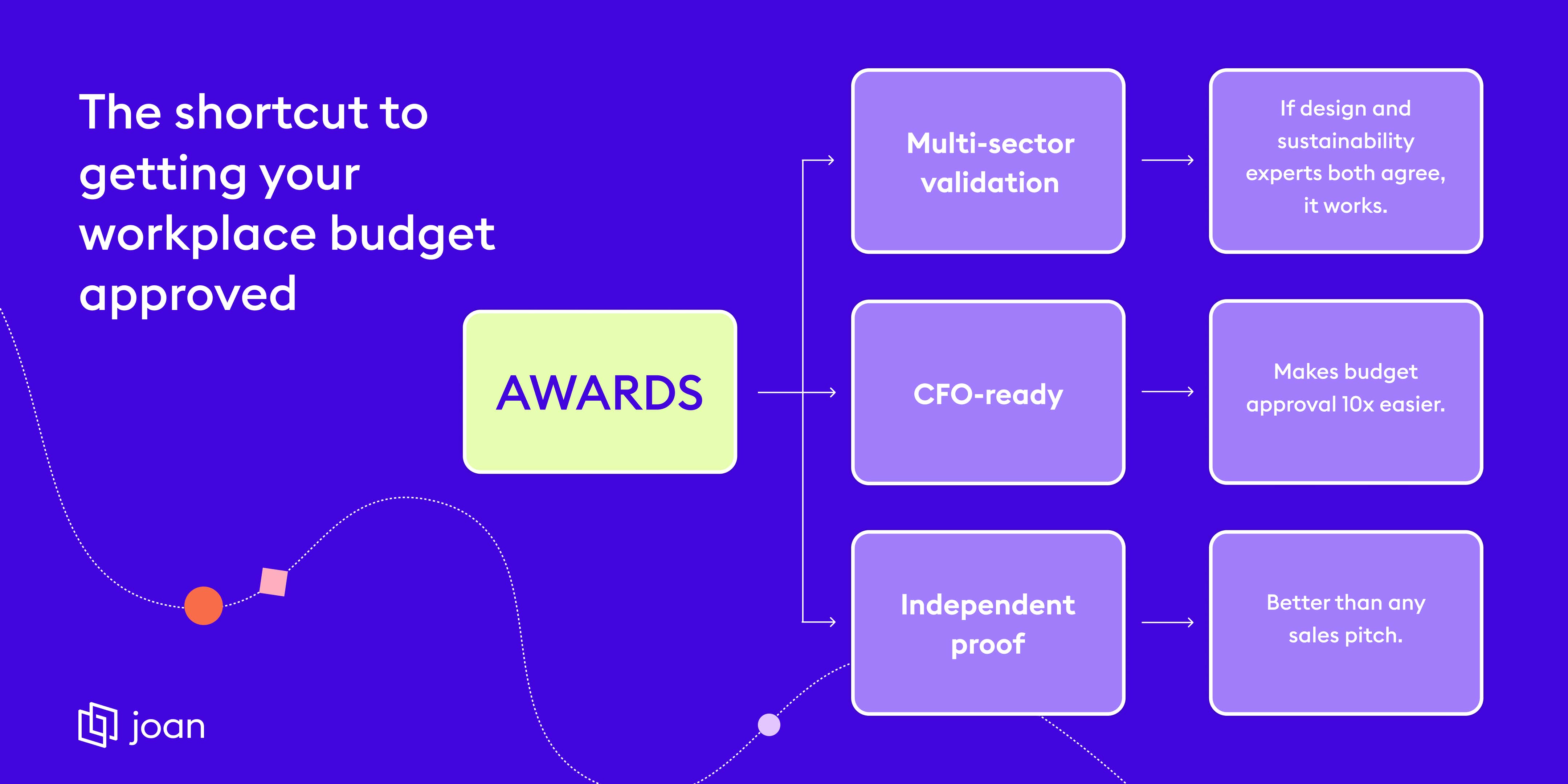
Budget conversations get significantly easier when you can point to external validation.
Leadership tends to trust awards more than your internal research, even when your research is better. (Unfair but useful.) Awards answer the "but how do you know this will work" question before anyone asks it.
Reduced selection risk. The hard comparison work is already done. Experts who evaluate workplace technology professionally have already put recognized products up against hundreds of alternatives and determined they stand out. You're not starting from zero in your research.
Real-world proof across disciplines. Products that win recognition from multiple types of organizations have been tested from every angle that matters. If problems existed, someone would have found them. Multiple someones, actually, all looking from different angles.
Less time wasted on vendor management. Award-winning products tend to actually work as advertised, which means fewer support tickets, fewer workarounds, and fewer awkward conversations about features that were promised but never materialized.
For the product people reading this
The award application process is worth the hassle even though it takes real effort.
Applications force clarity. You have to articulate exactly what your product does and why it matters when you're answering technical questions from judges who've evaluated hundreds of alternatives. That clarity is valuable whether you win or not.
Independent evaluation also tells you what actually stands out about your product versus what you think stands out, and sometimes those aren't the same thing. The feedback comes from people who know the difference between genuine innovation and clever positioning, which makes it more useful than almost any other input you'll get.
When you do win recognition, you get credibility your sales team can't create on their own. Prospects believe independent validation in ways they'll never believe your marketing materials, which shortens sales cycles and makes your customers' budget approvals significantly easier.
The process takes effort and detailed specs and sometimes physical products for evaluation. But if what you've built actually works, independent validation proves it better than anything else can.
I've seen this play out with our own work recently. Joan 13 Pro picked up recognition from organizations across audiovisual, design, and sustainability sectors. What struck me most was watching how differently each discipline approaches evaluation and yet reaching similar conclusions about whether something actually works. That consistency matters more than any single award.
Oh, and if you're heading to ISE 2026 from 3-6 FEB, we'll be at booth 2L330 and booth 4N150. Come say hi if you want to see the platform in person.
The shortcut to products that work
Look, awards aren't magic. They won't guarantee a product works perfectly in your specific environment with your specific team. But they do give you a signal that's more reliable than marketing promises.
When you're evaluating options this year, pay attention to products that have earned recognition from multiple sources across different disciplines. That pattern tells you something meaningful about quality.
Start the year by choosing workplace technology that's been validated by people who have no reason to lie to you. Your office team will have fewer headaches. Your budget will go further. Your employees might actually use what you deploy.
And you'll skip that uncomfortable conversation three months from now about why nothing works as promised.
About the author

Insights that keep your office running smoothly
Fresh content on productivity, space management, and the future of work. Perfect for managers, admins, and busy teams.
Join thousands of workplace professionals who already read the Joan blog. Unsubscribe anytime.