53% of employees say an inefficient workplace would be enough to push them out the door.
It’s a stat I stumbled upon in the recent report by WORKTECH Academy and SPS, which surveyed 679 office workers across eight global markets.
I know what happens next. Someone in the leadership team reads that number and creates a new KPI or a quarterly pulse survey. Or even worse, a task force. Something that will track more numbers, more graphs, more signals, more dashboards. All in the name of efficiency.
That's the wrong instinct.
If half your people are telling you the workplace doesn't work, you don't need a better way to track the problem.
You need to fix the workplace.
P.S. Let’s connect on LinkedIn!
Staying is not the same as caring
Right now, a weak job market is the only thing keeping that door closed. The same report found that employee engagement dropped from 42% to 36% in the past year.
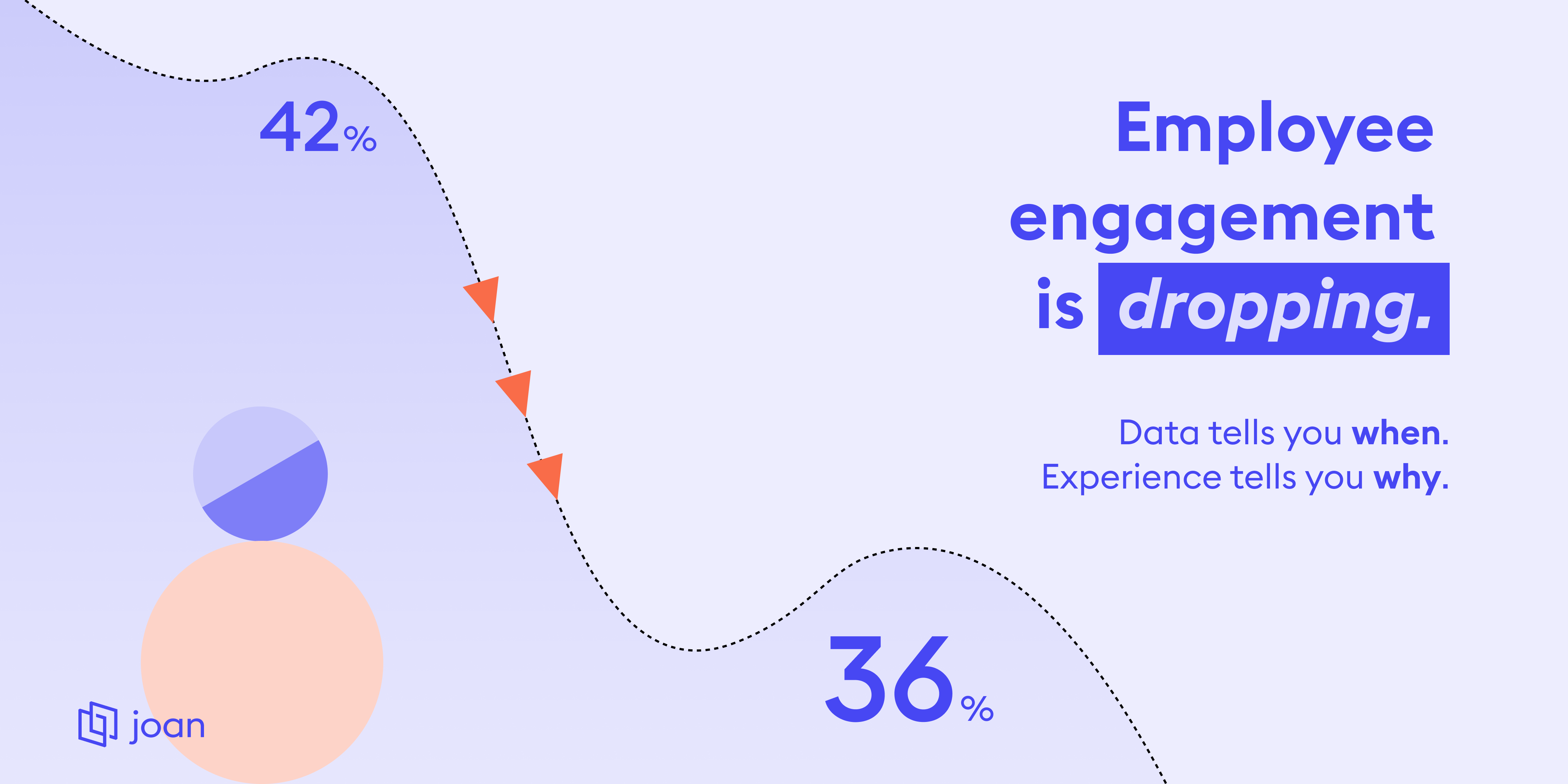
But this isn't disengagement from boredom, it's disengagement from fear. A weaker labour market and anxiety around AI mean people are staying, but they've emotionally checked out.
The physical environment doesn't cause that. But it either signals "we thought about you" or confirms what a scared employee already suspects: nobody here is paying attention. And you can see it most clearly in the smallest moments, like when someone visits your office.
Purposeful design, not measurement
Every company tracks whether visitors signed in, but nobody asks whether the visitor felt welcomed. Those are different questions. And they lead to completely different solutions.
The measurement answer is a digital sign-in kiosk with a report attached. It tells you how many visitors came, when they arrived, and whether they printed a badge. All trackable, all reportable, all completely beside the point.
The design answer is a badge that already knows your name before you ask, because it pulled the data from the calendar invite that existed three days ago. Same data, completely different experience.
That's the gap the report is really describing. Not a gap in what we measure. A gap in what we design.
Where the gap actually lives in your workspace
What hurts engagement is invisible until you go looking for it:
Walk your own front desk: Show up as if you've never been there. How long before someone acknowledges you? How many steps before you know where to go? How awkward is the badge-printing system?
Try to find a free desk: Use whatever system your employees use. Count the tabs, the apps, the clicks. If it takes more effort to find a place to sit than it does to order lunch, something has gone wrong.
Book a meeting room you've never used: Try to find it, book it, get in, and start your meeting without asking anyone for help. Count the minutes (and nerves) you lose.
Ask one employee what slows them down before lunch: Not in a survey. Face to face. You'll hear things that will never show up in a dashboard, because dashboards don't have a field for "I just gave up and sat somewhere else."
What you'll find is that the performance gap isn't hiding in your data. It's hiding in the experience your data doesn't capture.
And that gap is exactly what we work on
From meeting room management to digital signage and desk booking. But most recently, we've been heads down working on improving visitor experience. Our visitor management doesn't start when someone walks through the door; it starts when the meeting is booked.
The visitor's name, the host, the room, and the e-paper badge, all connected. This purposeful design says: we thought about the first thirty seconds of your experience here, and we made them effortless.
That's a small thing. But small things are what the performance gap is actually made of. Thousands of tiny moments where nobody designed the experience, and everybody measured the output instead.
Somebody had to decide the front door was worth designing. We did.
P.S. You can now also follow my product, sustainability and workplace insights on LinkedIn. Let's connect!
About the author

Insights that keep your office running smoothly
Fresh content on productivity, space management, and the future of work. Perfect for managers, admins, and busy teams.
Join thousands of workplace professionals who already read the Joan blog. Unsubscribe anytime.